
What Are Gallstones?
Gallstones are small, hard deposits that form in the gallbladder. The gallbladder is a small organ under your liver. It stores bile, which helps digest fat. There are two main types of gallstones. First, cholesterol stones are the most common. Second, pigment stones form from too much bilirubin, a substance made by the liver. Both types can cause problems if they block the flow of bile.
Common Symptoms and Why Some Gallstones Are “Silent”
Many people with gallstones do not feel any symptoms. These are called “silent gallstones.” However, when symptoms do appear, they can include:
Still, silent gallstones may go unnoticed for years. But if a stone blocks a duct, pain and other symptoms can start suddenly. Therefore, early detection is important even if you feel fine.
Causes and Risk Factors for Gallstones
Gallstones form when the balance of substances in bile changes. For example, too much cholesterol or bilirubin can lead to stones. Several factors increase your risk, such as:
Because some risks can be controlled, healthy habits may help prevent gallstones.
How Ultrasound Works in Detecting Gallstones
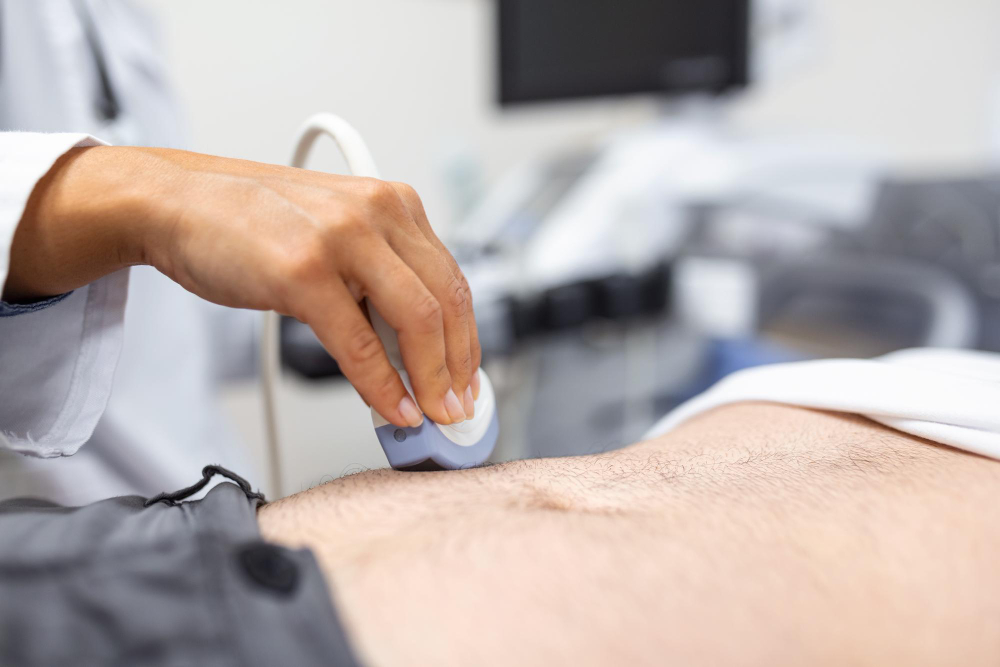
Ultrasound is a safe, non-invasive way to find gallstones. It uses sound waves to create pictures of your gallbladder. As a result, doctors can see stones clearly without surgery or radiation. According to the CDC, ultrasound is the first choice for gallstones diagnosis. It is accurate and does not cause pain. In addition, it can spot even small stones or “silent” ones that have not caused symptoms yet. This makes ultrasound a key tool for non-invasive gallstone detection.
Step-by-Step Overview of the Ultrasound Procedure for Gallstones
Getting an ultrasound for gallstones is simple. Here is what you can expect:
After the test, you can go home right away. There are no side effects, so you can return to normal activities.
Benefits of Early Detection and Potential Complications
Early detection of gallstones with ultrasound can prevent serious problems. For instance, untreated stones can block bile ducts. This may cause infection, swelling, or even damage to the liver or pancreas. Sometimes, surgery is needed if complications develop. However, finding gallstones early allows for safer, less invasive treatments. Therefore, regular check-ups and early diagnosis are important, especially if you have risk factors.
Prevention Tips and Lifestyle Guidance
While not all gallstones can be prevented, healthy habits can lower your risk. Consider these tips:
Because family history also plays a role, talk to your doctor if you have close relatives with gallstones. Early screening may help catch silent gallstones before they cause pain.
Conclusion: Take Action for Your Health
Gallstones can cause pain or remain silent for years. But with safe, accurate ultrasound, doctors can detect even hidden stones. If you suspect gallstones or have unexplained abdominal pain, consult a radiologist or healthcare provider for personalized advice. Early detection can help you avoid complications and stay healthy.