
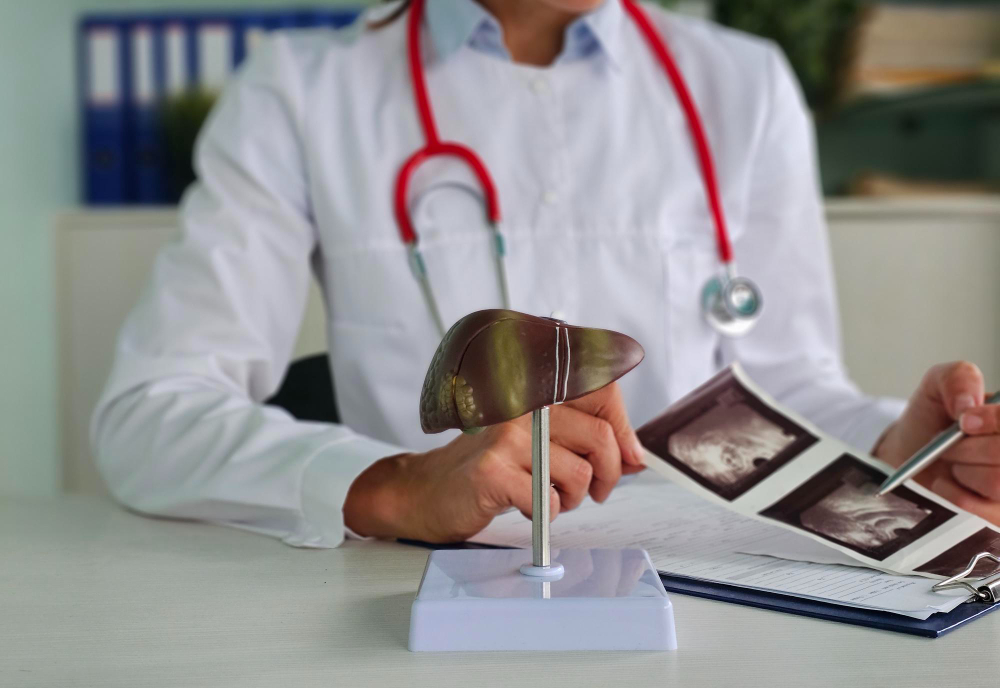
What is a Liver Ultrasound?
A liver ultrasound is a safe, non-invasive test that uses sound waves to create images of your liver. Doctors use this test to check the liver’s size, shape, and texture. Because it does not use radiation, it is gentle on your body. Often, a liver ultrasound helps spot problems early, making treatment easier.
Why is Liver Ultrasound Important?
For many people, liver problems do not cause symptoms right away. However, a liver ultrasound can detect changes before you feel sick. As a result, doctors can find liver disease early and start treatment sooner. In addition, this test helps monitor ongoing liver conditions. It is a key tool for liver health evaluation.
Common Indications for Liver Ultrasound
Doctors may suggest a liver ultrasound for several reasons. Some common indications include:
Sometimes, your doctor may order this test if you have risk factors for liver disease, such as heavy alcohol use or obesity.
How is a Liver Ultrasound Performed?
During a liver ultrasound, a trained technician will help you lie on your back. Next, they apply a special gel to your skin. This gel helps sound waves travel better. Then, the technician moves a small device, called a transducer, over your abdomen. The device sends sound waves into your body. These waves bounce back and create pictures of your liver on a screen. The test usually takes about 15 to 30 minutes.
What to Expect During the Procedure
Before the test, you may need to fast for a few hours. However, your doctor will give you clear instructions. During the procedure, you might feel slight pressure, but it should not hurt. Most people find the test comfortable and easy. After the ultrasound, you can return to your normal activities right away.
Benefits and Limitations
Liver ultrasound offers many benefits:
However, there are some limitations. For example, it may not show very small tumors. Sometimes, body size or too much gas in the stomach can affect the images. Even so, it remains a valuable tool for liver health evaluation.
How to Prepare for a Liver Ultrasound
Proper preparation helps get clear images. Usually, you may be asked to:
Always follow your doctor’s instructions. If you have questions, ask your healthcare provider before the test.
Frequently Asked Questions
Conclusion & Next Steps
In summary, a liver ultrasound is a simple, non-invasive liver test that helps doctors check your liver health. Because it is safe and quick, it is often the first step in evaluating liver problems. If your doctor recommends a liver ultrasound, follow their advice and prepare as instructed. For personalized guidance about liver ultrasound and your liver health, consult a healthcare professional.