
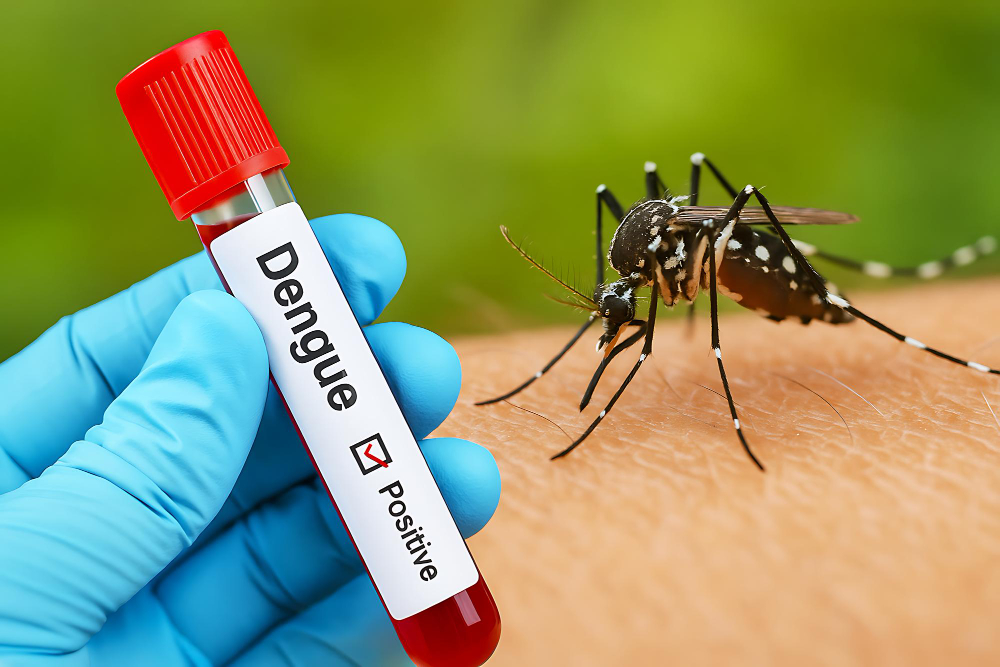
What is Dengue and Why is Testing Important?
Dengue is a viral infection spread by mosquitoes. It causes fever, headache, and body pain. Early detection is important because dengue can become serious. With proper testing, doctors can diagnose dengue quickly. This helps start the right treatment and prevent complications. In many cities, dengue testing is available at local clinics and hospitals. If you live in an area with dengue cases, knowing about dengue profile testing can help you stay safe.
Overview of Dengue Profile Tests: NS1, IgM, and IgG
Dengue profile testing includes three main tests: NS1, IgM, and IgG. Each test checks for different signs of the virus in your blood. For example, the NS1 test looks for a protein from the dengue virus. On the other hand, IgM and IgG tests look for antibodies your body makes to fight the virus. Understanding these tests helps you know which one to take and when.
When to Use NS1, IgM, and IgG Tests: Day-by-Day Guide
Choosing the right dengue test depends on how many days you have had symptoms. Timing is important for accurate results. Here is a simple guide:
For example, if you have had a fever for two days, the NS1 test is best. But if it has been a week, the IgM and IgG tests are more helpful. Always follow your doctor’s advice for dengue test timing.
How Are Dengue Tests Performed?
Dengue tests are simple blood tests. First, a healthcare worker takes a small blood sample from your arm. Then, the sample goes to a lab for testing. Results are usually ready within a day or two. In some clinics, you may get results even faster. Because these tests are safe, you do not need to prepare much. However, let your doctor know if you have any bleeding problems before the test.
Understanding Your Test Results
Test results can seem confusing, but here is what they usually mean:
Sometimes, results can be mixed. For example, both IgM and IgG may be positive. In these cases, your doctor will explain what the results mean for you. Always discuss your results with a healthcare provider for the best advice.
Prevention and When to Seek Medical Help
Even though testing is important, preventing dengue is the best way to stay healthy. You can protect yourself by:
If you have a high fever, severe pain, or bleeding, seek medical help right away. Early dengue diagnosis and treatment can save lives. In many cities, dengue testing is easy to access. So, do not wait if you feel unwell during dengue season.
Consult a healthcare specialist for personalized advice on dengue testing and management.